A Practical Guide for APAC Planners

How to design high-performing event experiences.

High‑performing event experiences are designed with intent, built around engagement and delivered with precision. This guide shows APAC event planners how to align strategy, creative, technology and production to create experiences that deliver measurable results. We break down the nine principles behind high-impact event experiences, giving planners a clear, practical framework to move beyond the expected and deliver events that perform.

Go to guide
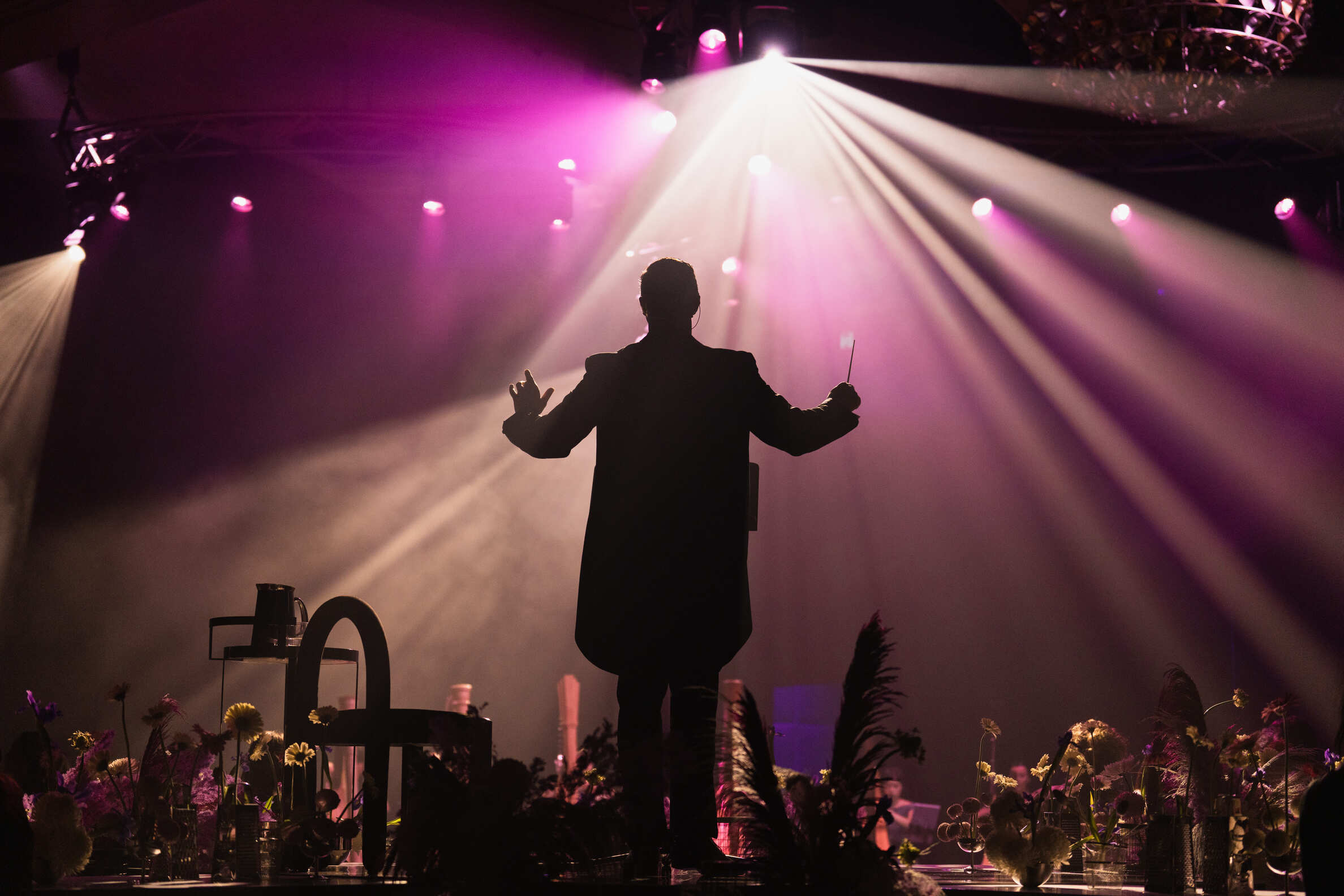
A conductor stands on stage with arms raised, silhouetted against dramatic purple and white spotlights, while musicians sit and flowers decorate the foreground.

From Idea to Impact: How to Deliver High-Performing Events

Knowing how to design and deliver high-impact event experiences has never been more critical. Across APAC, audiences expect more, stakeholders demand measurable results, and competition is sharper than ever. Good is no longer enough.

High-performing events are defined by intent, not scale. They combine creative strategy, immersive design, and precision production to create experiences that connect and deliver outcomes. Every touchpoint is considered. Every moment has a purpose.

Continue scrolling to get started with the guide.

See also, the frequently asked questions about how to design high-impact events

1. Start with Clear Intent and Measurable Outcomes

High-performing events don’t begin with a theme or venue. They begin with clarity.

  • Define what success looks like before anything else
  • Align the event to business goals and stakeholder expectations
  • Set measurable outcomes such as engagement, sentiment, or return on investment
  • Build every decision around that purpose
Pro tip: If a creative or production idea doesn’t clearly support your objective, cut it.

2. Define the Creative Platform

High-performing events are anchored in a strong creative idea, not just a run sheet. This is where creative event strategy is translated into a clear narrative that shapes the entire experience. It gives the event meaning, consistency and edge.

  • Develop a unifying concept that reflects your objectives
  • Define the core message or story the experience needs to communicate
  • Ensure this idea informs every element, from content and staging to environment and flow.
  • Use the platform as a filter for decisions, keeping the experience focused and cohesive

A strong creative platform aligns stakeholders early, accelerates decision making and ensures every touchpoint feels connected and deliberate.

Pro tip: When the creative strategy is clear, content, design and production work harder together.

3. Design the Entire Attendee Journey

Great events are designed, not assembled.

  • Map the full attendee journey from first invitation to post-event follow-up
  • Identify “moments that matter” where experience can be elevated
  • Remove friction across registration, arrival, navigation, and programme flow
Pro tip: The best events feel effortless because every detail
has been deliberately engineered behind the scenes.

4. Build Around Engagement, Not an Agenda


Traditional agendas are no longer enough. Today’s audiences expect participation.

  • Replace passive sessions with interactive formats such as workshops and live Q&A
  • Offer flexible content paths that allow personalisation
  • Create micro-experiences that sustain energy throughout the day
Pro tip: If your audience is just watching, you’re missing the opportunity.
Design for contribution, not consumption.

5. Leverage Multi-Sensory Experience Design


Memorable events engage more than just sight and sound.

  • Align lighting, audio, visuals, and spatial design with the event narrative
  • Introduce elements that engage touch, taste or scent where relevant
  • Ensure all sensory elements work together to create a consistent experience
Pro tip: Aim for emotional response, not just visual impact.
People remember how the experience made them feel.


Related:

We’ve unpacked the frequently asked questions about how to design high performing events on this page, and FAQs on AV for corporate events.

Why the cheapest quote rarely wins: Cost vs Value in Event Delivery

6. Use Technology as a Core Design Tool


Event technology is no longer an add-on. It is central to experience delivery.

  • Use immersive visual environments such as large-scale screens and projection
  • Integrate tools like live polling, gamification, and personalised content
  • Leverage data and AI to tailor experiences and improve flow
Pro tip: The right technology simplifies complexity and enhances human connection.
Avoid using it just for spectacle. See event technology solutions.

7. Deliver Through Production Excellence


Creative ideas come to life through expert production.

High-performing events require:

  • Tight coordination across teams, venues, and suppliers
  • Strong production management and contingency planning
  • Consistency across every detail, from staging to timing
Pro tip: Precision is the difference between an impressive event and a truly high-performing one.
See also: Event production excellence

8. Partner With the Right Event Production Experts


As events become more complex, the role of partners becomes critical.

Working with an experienced event technology and production partner enables you to:

  • Integrate creative strategy, technical and operational elements into one cohesive experience
  • Access specialist expertise across staging, lighting, content and show execution
  • Reduce planning stress and focus on shaping the experience
Pro tip: The right partner turns ambition into reality without adding complexity.

9. Measure What Truly Matters


Success is not defined by recognition or winning an award. It is defined by impact.

Focus on:

  • Attendee satisfaction and emotional response
  • Engagement levels during the event
  • Social sharing, word-of-mouth and repeat attendance
Pro tip: You can't manage, what you don't measure. Define your success metrics and measure them rigorously.

Final Thoughts


High-performing events are not defined by scale or budget. They are defined by intentional design, seamless execution and meaningful connection.

  • Start with the experience, not just the agenda.
  • Challenge what’s expected.
  • Design what will be remembered.

When the stakes are high, the difference comes down to how well every element works together. When strategy, creativity and production work as one – as an end-to-end event solution – events move beyond moments. They become events that perform, experiences that deliver results, and set a new standard for what’s possible.

FAQs: How to design and deliver high-performing, award-winning events

High performing event experiences start with clear intent, then deliver a deliberate participant journey with engaging moments and flawless production. In APAC, the best results come from aligning experience design with business goals and local audience expectations.

Define success before you lock in creative ideas—choose outcomes you can measure such as engagement, sentiment, leads, or learning impact. Then build every programme, content and production decision around those outcomes.

Document the event purpose, priorities and success measures early, then use them as a decision filter at every milestone. When trade‑offs appear, return to the agreed outcomes to keep planning focused and fast.

Map each step from invitation and registration through arrival, navigation, sessions and post‑event follow‑up. Identify “moments that matter” where you can reduce friction and elevate the experience.

They’re the points in the journey where participants form strong impressions – first communication, check‑in, room reveal, key content transitions and the close. Designing these moments intentionally helps your event feel effortless.

Keep registration simple, provide clear pre‑event comms, and design arrival flows that are easy to understand on-site. Good wayfinding, trained Team Members and tight run‑of‑show timing reduce stress and lift confidence.

Swap passive sessions for interactive formats like workshops, live Q&A and facilitated discussion. Build micro‑experiences – short, high‑energy touchpoints – that keep participants contributing throughout the day.

Live polling, moderated Q&A, hands‑on breakouts and small‑group dialogue work well when they’re culturally considerate and clearly facilitated. Offer multiple ways to participate – speaking, writing, votin – so different comfort levels are included.

Create flexible content paths such as selectable breakouts or tracks, and use simple prompts to guide participants to what’s most relevant. Keep choices limited and clearly signposted to avoid decision fatigue.

Multi‑sensory design aligns lighting, audio, visuals and spatial design to your event narrative, and may include touch, taste or scent where appropriate. The goal is a consistent, emotionally resonant experience – not just visual impact.

Use pacing, music, lighting changes and reveal moments to support the story you want people to feel. When every sensory element supports the same narrative, participants remember the experience long after the final slide.

Start with one clear narrative thread, then design lighting, sound and visuals to reinforce it. Avoid adding “cool” elements that don’t serve the purpose – consistency is what makes the experience feel premium.

Use technology as a design tool to simplify complexity and increase human connection – think immersive screens, clear content delivery and participation tools. If a tech element doesn’t support the objective, it’s a distraction.

Tools like live polling, moderated Q&A, gamification and personalised content prompts can lift interaction when they’re integrated into the programme. Design the prompts and facilitation first, then choose technology that makes participation easy.

Yes – data can reveal where participants engage most and where flow breaks down, helping you refine future experiences. Use insights to improve timing, content relevance and on-site navigation while keeping the experience human.

Precision delivery means tight coordination across Teams, venues and suppliers, with strong production management and contingency planning. It’s how creative ideas become consistent, confident moments on show day.

Build a detailed run‑of‑show with owners, timings and dependencies, then rehearse key transitions. Plan contingencies for high‑risk moments so the experience stays smooth even when conditions change.

Unclear decision-making, last‑minute scope changes, weak supplier coordination and insufficient testing can all create on-site pressure. Strong planning discipline and clear accountability reduce surprises.

Partner early when the experience involves multiple spaces, complex technology or high‑stakes stakeholder expectations. The right partner helps integrate creative, technical and operational elements into one cohesive delivery.

Look for experience managing complexity, strong production leadership, and the ability to align technology and creative execution to your objectives. You also want a partner that communicates clearly across time zones, venues and local teams.

They bring specialist expertise across staging, lighting, content and show execution, plus processes that keep decisions and approvals moving. That frees you to focus on shaping the experience and stakeholder confidence.

Measure what matters: participant satisfaction, emotional response, engagement during key moments, and post‑event actions such as enquiries, sign-ups or repeat attendance. Choose metrics that match the event’s intent and report them clearly.

Use short pulse surveys, quick on-site feedback prompts and post‑event questions tied to specific moments. Pair quantitative scores with a few open-text questions to understand the “why” behind the rating.

Compare outcomes against your original measures, identify where engagement peaked or dropped, then adjust content and flow accordingly. Share a concise insights summary with stakeholders so improvements are agreed early next time.

Encore is a full‑service event production partner that brings strategy, creative thinking, production expertise and event technology together in one coordinated approach. We help you turn complex ideas into high‑impact experiences with confidence and control.

Encore supports all kinds of in‑person events with the production and event technology needed to deliver immersive content, engaging participation and smooth show flow. The focus is always on creating experiences participants remember – and outcomes you can measure.

Start by defining your event intent and outcomes, then share your audience, venue and key moments you want to elevate. From there, Encore can help shape the experience and production plan that brings it to life.