In this industry insight, we uncover the secrets behind designing personalised event experiences that drive engagement and value. Let’s unpack the meaning and significance of personalised experiences in event design and what you can do as an event planner to maximise impact and results from your event.
Industry Insight
Designing Personalised Experiences That Drive Engagement and Value
10 6 月, 2026 Continue reading
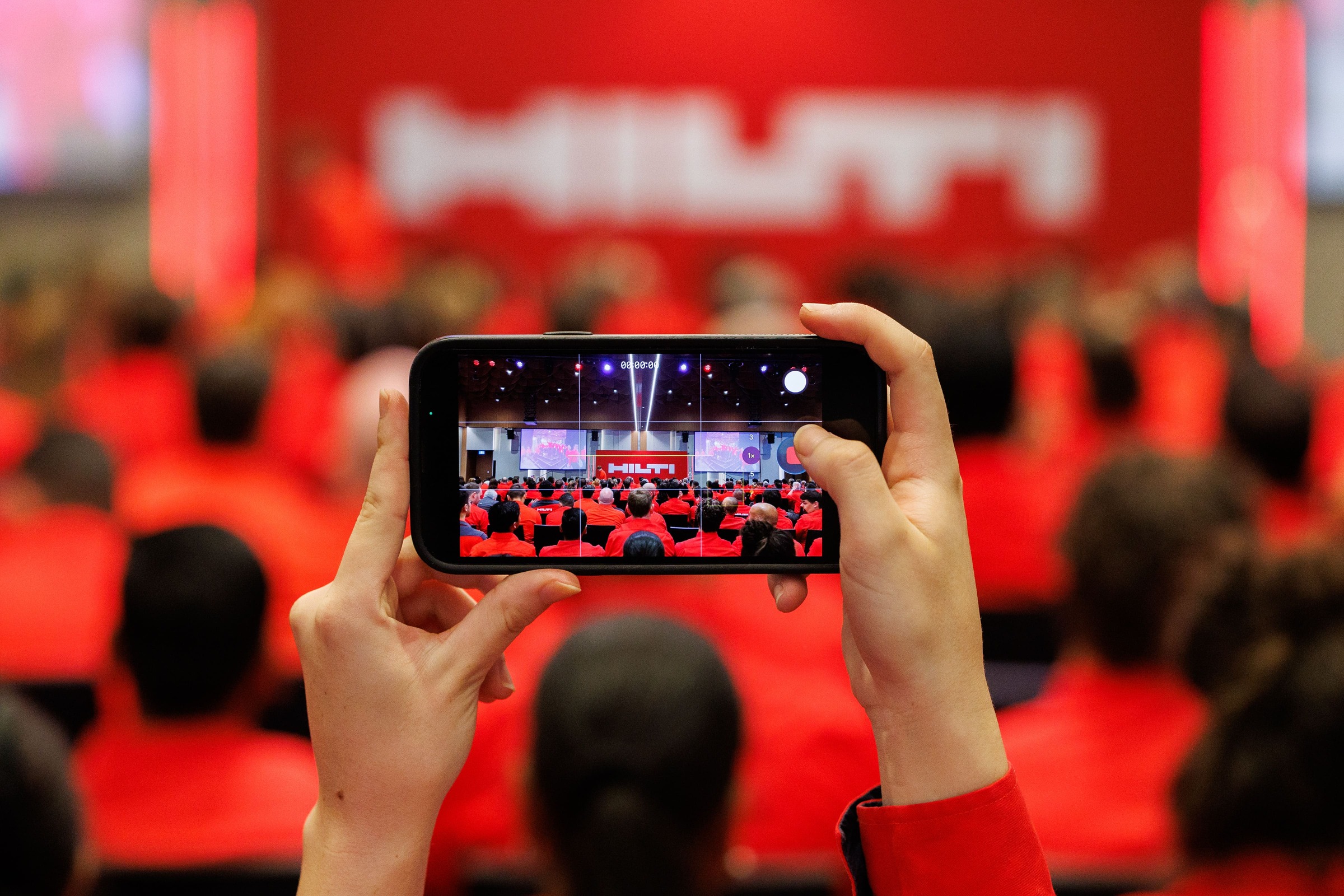
Designing Personalised Event Experiences That Drive Engagement and Deliver Value
Corporate events are built to deliver a message – but impact comes from how it makes people feel.
Today, that means designing personalised, meaningful experiences that truly connect. The best events go beyond information – they spark relevance, build connection, and drive results.
It’s no longer about scale or spectacle. It’s about smart, intentional choices: where to invest, what to elevate, and which moments matter most.
Get it right, and you transform the experience, so every individual feels it, not just sees it.
What We Mean by Personalised Experiences
What is a personalised event experience? A personalised event experience is designed around audience relevance, not scale – focusing on key moments that drive engagement, connection and return on experience.
Personalisation isn’t about adding more. It’s about making better decisions.
It starts with understanding who’s in the room and designing the experience around that. Not the agenda. Not the format. The audience.
That doesn’t mean customising everything. It means identifying the moments that matter most and getting them right. Content. Flow. Interaction. Environment.
The impact comes from being intentional. When the experience feels relevant, people engage more, retain more, and get more value from being there.
Related: Frequently asked questions about personalising event experiences.
Why Personalised Event Experiences Matter More Than Ever
Audience expectations have changed.
Events are no longer judged by scale. They’re judged by relevance.
If it feels generic, people switch off. If it feels considered, they engage.
That’s the shift. From delivering content to designing experiences people actually connect with.
This is where Return on Experience (ROE) comes in. When the experience lands, audiences stay engaged, take more in, and respond with intent.
For organisers, that means stronger engagement, clearer insights and better commercial outcomes.
Related: Why most events fail to deliver ROE – and how personalisation fixes it
From Scale to Relevance: The Shift in Audience Expectations
You Don’t Have to Do Everything – Quality Beats Scale
One of the biggest misconceptions is that personalisation requires complexity or large budgets.
In reality, the strongest results come from small, deliberate design decisions, such as:
- Designing a welcome that signals this is for the right people
- Structuring content so people see what’s relevant to them
- Creating transitions that carry the experience, not break it
- Using the environment to reinforce who the event is for
Less generic, more intentional.
Related: FAQs about personalisation in events
Indicative Investment in Personalised Event Experiences
How Organisations Are Investing
Indicative Investment Ranges
Personalised experiential design scales to suit different objectives and budgets.
- $0–$25 per attendee
Focus on content, messaging and thoughtful personal touches. - $25–$150 per attendee
Layer the experience with lighting, AV, interactive tools and branded environments. - $150–$500+ per attendee
Create immersive, end‑to‑end experiences with integrated production, technology and dynamic environments.
The most effective approach isn’t doing more – it’s deciding where to invest for maximum impact.
What Personalised Event Design Looks Like in Practice
Most events try to add personalisation at the end. That’s where it goes wrong. It’s a series of deliberate choices about where the experience needs to work harder.
Arrival and welcome
The first signal of whether this is for me or just another event.
If this moment feels considered, everything that follows lands better.
Meeting and content environments
This is where engagement is won or lost.
If the content isn’t aligned to the audience, no amount of production fixes it.
Conference and exhibition environments
Large environments don’t need more content. They need better navigation and clearer relevance.
The goal is simple: make it easy for people to find what matters to them.
Plenary sessions
This is where scale needs to work harder.
The challenge isn’t delivering content — it’s keeping the room engaged and responsive.
Gala and high-value moments
These are the moments people remember.
This is where the experience should feel considered, not generic.
Networking and social experiences
Often the most valuable part of an event — and the least designed.
Structure it properly, and it becomes one of the highest-impact moments.
Designing for Impact
The strongest personalised experiences are disciplined.
They focus on the moments that matter.
They balance technology with human insight.
They align to audience expectations and budget.
And they avoid unnecessary complexity.
The difference isn’t doing more. It’s getting the right things right.
Because that’s what turns personalisation into performance.
Related:
- Creatives services for strategy and audience-led design
- Designing event experiences that connect: personalisation, technology and the human touch
How Encore Designs Personalised Experiences at Scale
Encore delivers personalisation by designing specific moments through creative services that respond to audience, context and purpose, not by personalising everything.
Personal Recognition Through Design
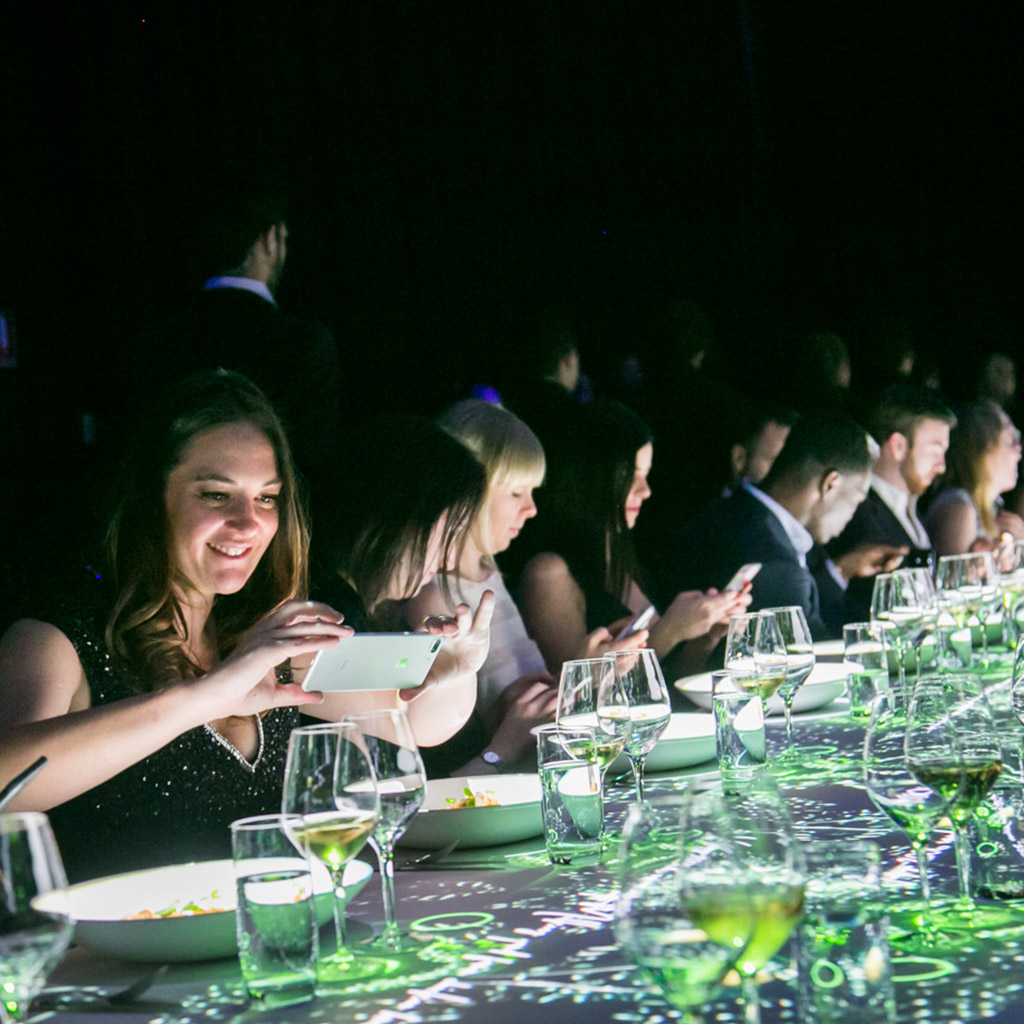
For the Qantas Platinum Member Experience, Encore created an immersive dining environment where each guest’s name and seat position was projected onto the table surface, replacing traditional place cards. This moment of recognition set the tone for a highly curated, story driven experience that had the added delight of a personalised projection.
Personalised Journey-Led Experiences
At Crown X: The Unknown, Encore reimagined the traditional gala as a personalised journey shaped by discovery. Guests moved through a sequence of curated spaces, each revealing the story in stages and allowing individuals to interpret the experience in their own way. Rather than delivering a single linear show, the design created multiple points of engagement, where lighting, content and performance responded to how guests moved, explored and connected throughout the environment. Personalisation came through how each attendee experienced the narrative differently, rather than what was shown on stage.
Cultural Relevance at Scale
For the Festival of Amway, Encore delivered a multi-day experience for thousands of Amway China delegates, shaping each wave around language, culture and shared brand history. From Mandarin-led content to globally inspired storytelling, the experience felt tailored to the audience cohort rather than the individual.
These examples show that personalisation doesn’t have to be complex, it has to be intentional.


It means intentionally shaping every touchpoint – before, during and after the event – so participants feel connected, involved and motivated to act. Value comes from experiences that are purposeful, not just impressive.
Start with clarity on outcomes. When you know what success looks like for participants, you can design content, environments and flow that support that goal without unnecessary complexity.
Personalisation helps participants feel recognised and valued, which increases attention, satisfaction and recall. Even small, thoughtful adjustments can make an experience feel more relevant and meaningful.
By using flexible formats, audience segmentation and adaptable design. Smart planning allows different participant needs to be met within one cohesive experience.
Visual design and lighting guide attention, shape emotion and reinforce key messages. When aligned to your story, they help participants understand what matters in each moment.
Because shared experiences – conversation, celebration and storytelling – are what people remember most. Technology should enhance these moments, not distract from them.
Event technology works best when it removes friction and makes participation easy. The most effective solutions feel seamless, allowing participants to stay present and connected.
ROE looks beyond outputs to measure how an event makes people feel, think and act. Engagement is often the strongest indicator of long‑term value and impact.
APAC audiences value clarity, hospitality and authentic connection. Designing with cultural awareness and flexibility ensures experiences translate across markets while still feeling personal.