Reframing a Familiar Space
For Crown, the event was also an opportunity to reshape perception.
The Palladium Ballroom is a well‑known space among this audience. Many guests had experienced it multiple times. The challenge was not to demonstrate its scale, but its versatility.
To do this, the visual language typically associated with gala‑style events was intentionally removed. Expected layouts were abandoned. Familiar lighting treatments were stripped back.
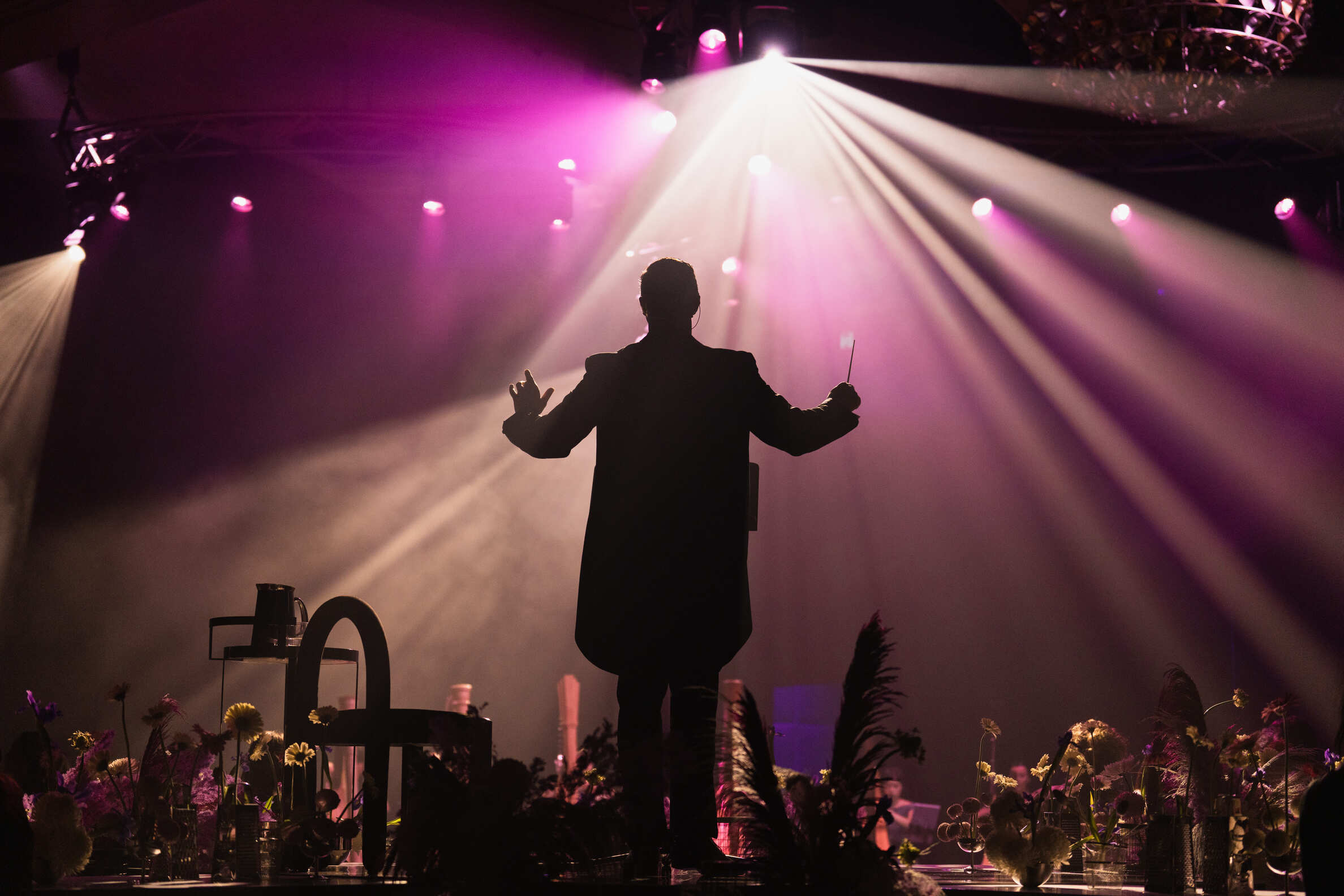
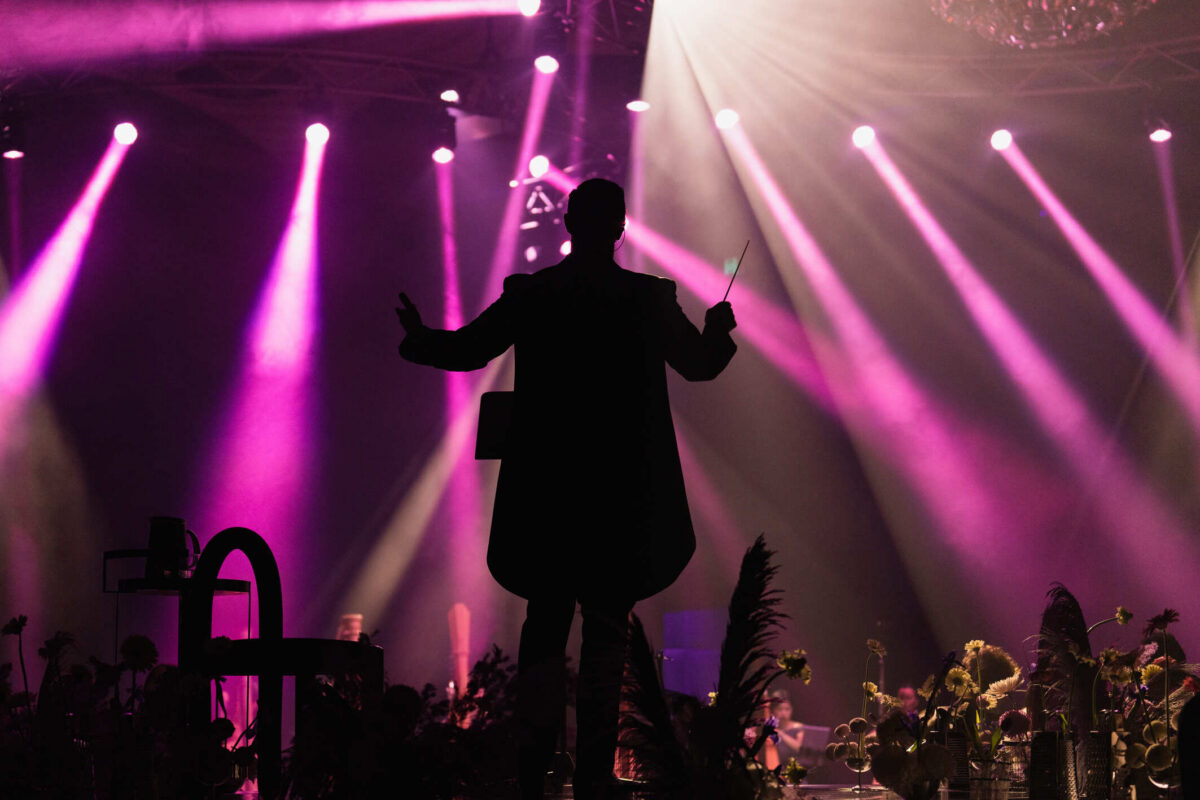
Instead, the room was treated as a flexible framework. Rigging, spatial design and technical production were used to redefine how the space behaved, not just how it appeared.
The Palladium wasn’t presented as an icon to admire, but as a venue capable of continual reinvention.
One Idea, Gradually Revealed
What set X apart was not complexity, but restraint.
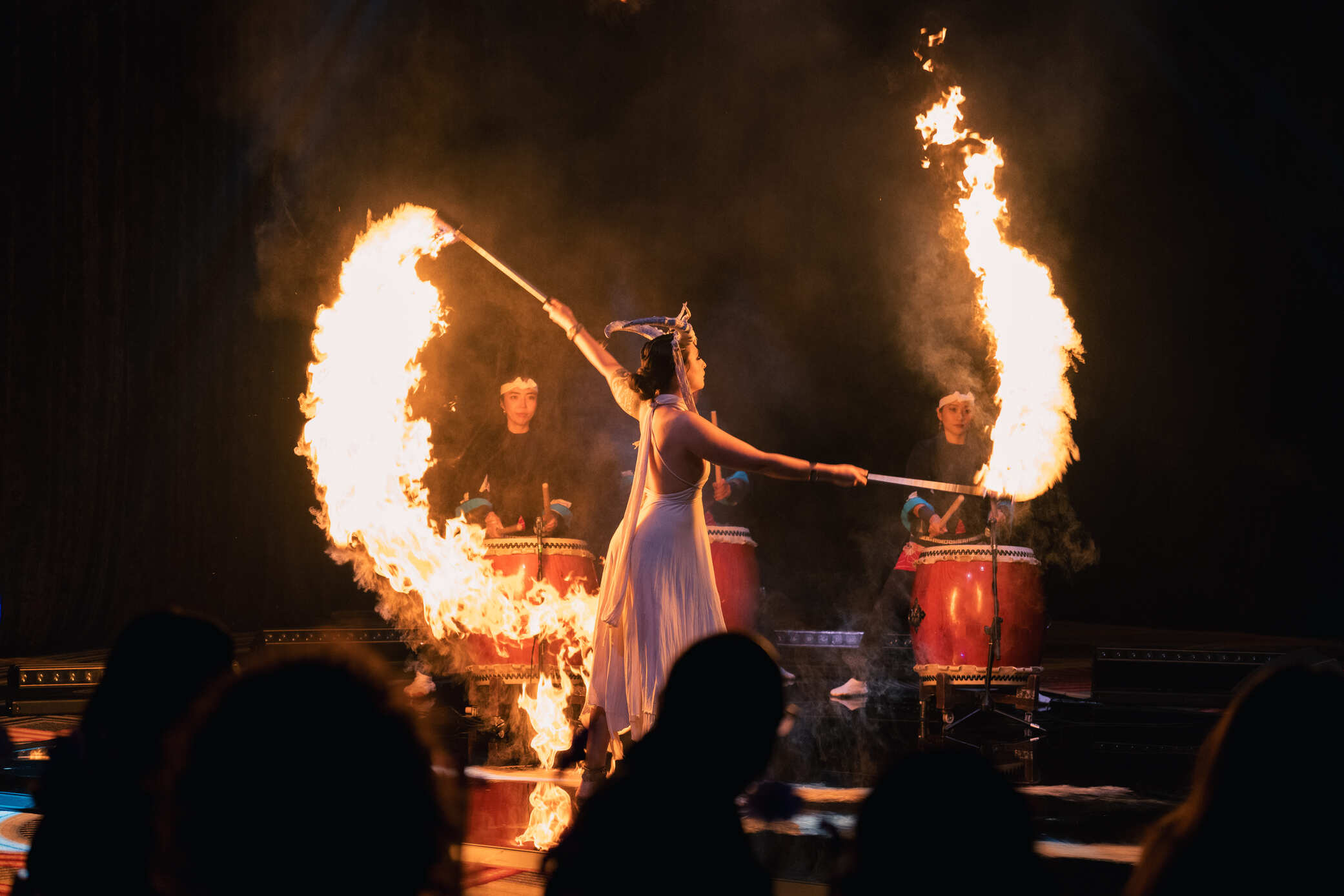
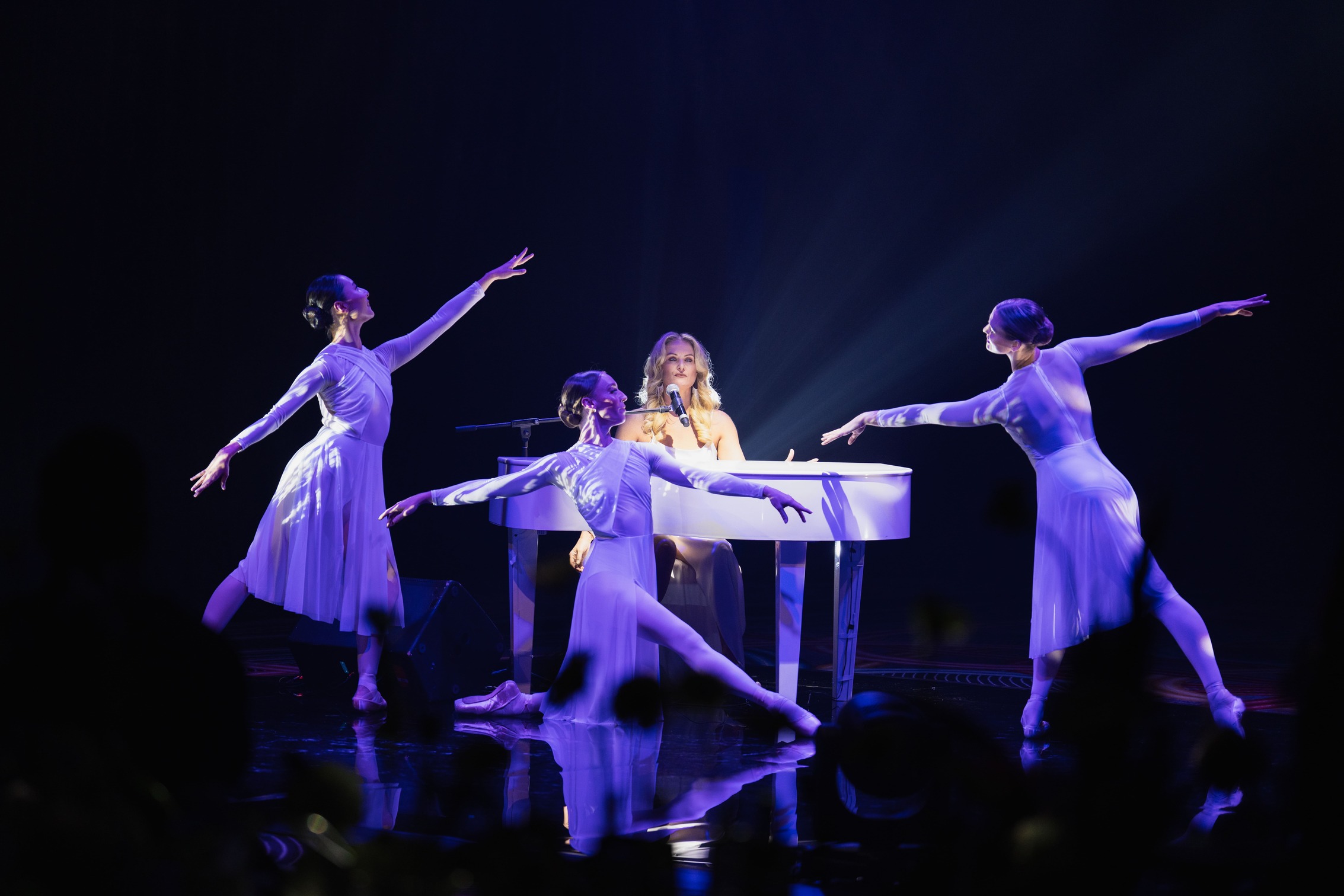
Once the central idea was established, every element aligned behind it. Content, production, entertainment and pacing unfolded as layers of the same narrative rather than competing moments.
Nothing arrived too early. Nothing over‑explained itself. Each moment revealed just enough to maintain momentum, allowing curiosity to build naturally.
For a seasoned audience, this restraint felt intentional. The experience respected their expertise and trusted them to engage without being guided at every step.
The Power of a Shared Unveiling
Because intrigue was carefully preserved throughout the experience, the final reveal carried genuine impact.
When the full transformation of the Palladium was unveiled, it resonated not because it was unexpected in scale, but because it was earned. Guests had been taken on a journey of anticipation and discovery, and the resolution felt collective.
This is where experience design moves beyond moment and into memory. The event didn’t announce Crown’s capability — it allowed the audience to experience it unfolding.