How one big idea can change the entire experience

Inside the creative thinking behind the Million Dollar Lunch

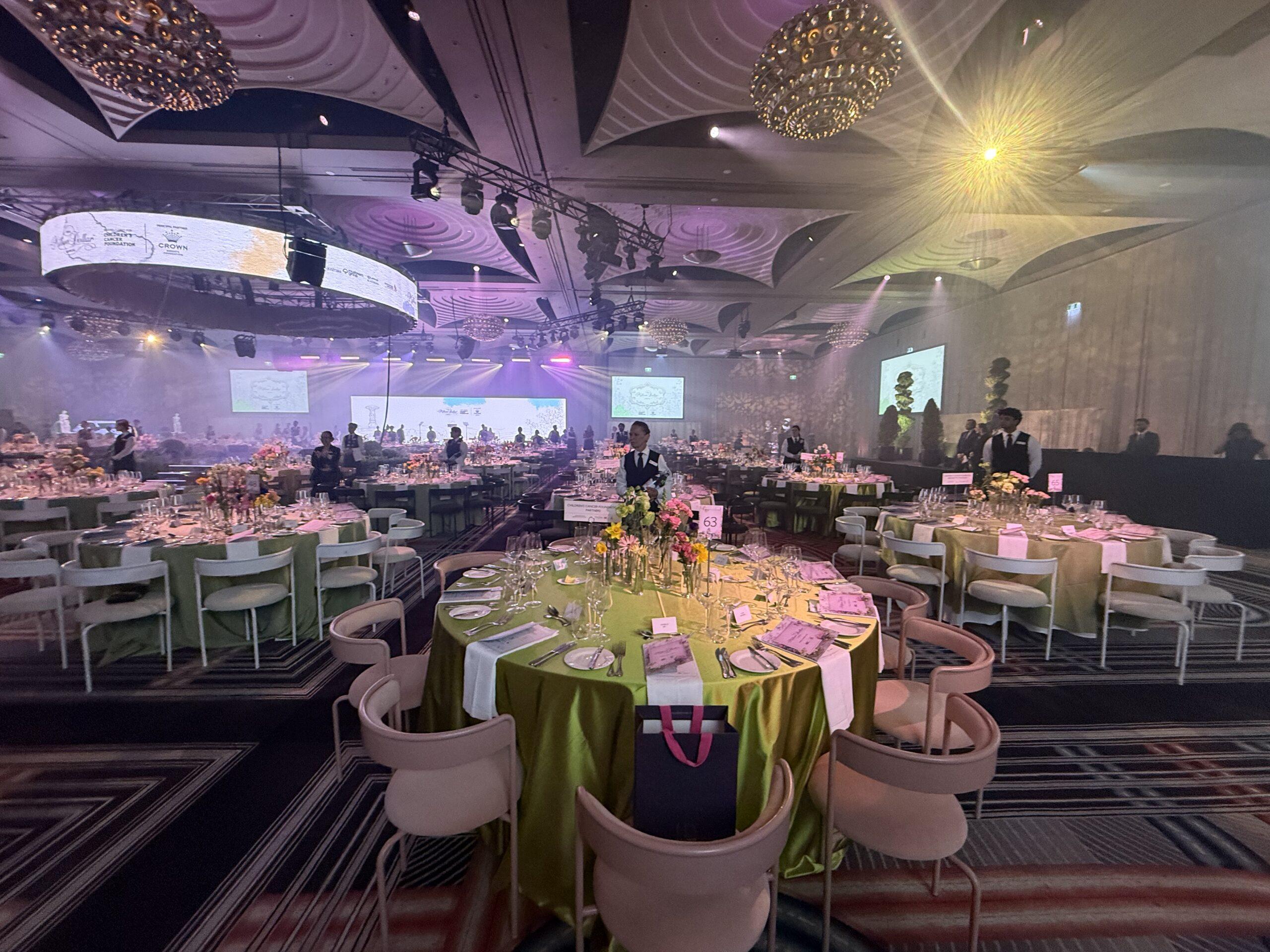
Guests walked through a spectacular entrance path into Crown Palladium to a blank canvas. Then the room began to draw itself.

Sketched lines became watercolour. An imagined European garden slowly came to life across the screens, evolving from daylight to sunset, dusk and night as the event unfolded.

Behind it all was one creative idea: Through the Pages.


Created by Encore’s Design Studio for the Children’s Cancer Foundation’s Million Dollar Lunch, the idea shaped far more than a look. It connected the spaces, content, performances and guest journey, turning a creative concept into an entire world.

That’s the power of a great event idea. It doesn’t just give you a theme. It gives every creative decision a reason to belong.

One idea. An entire world.


Creating something fresh for an annual event means surprising people without losing what they already value.

Encore, Crown , the Committee of The Million Dollar Lunch and the Children’s Cancer Foundation explored several creative directions before selecting Through the Pages. The name could have led somewhere obvious: books, fairytales and literal storytelling. Instead, the team drew on European gardens, traditional paintings and the delicate watercolours of illustrated stories.

The idea became less about looking at a story and more about stepping into one. It also gave the creative team a simple question to return to: does this take guests further into the story?

Creating a world, not decorating a room


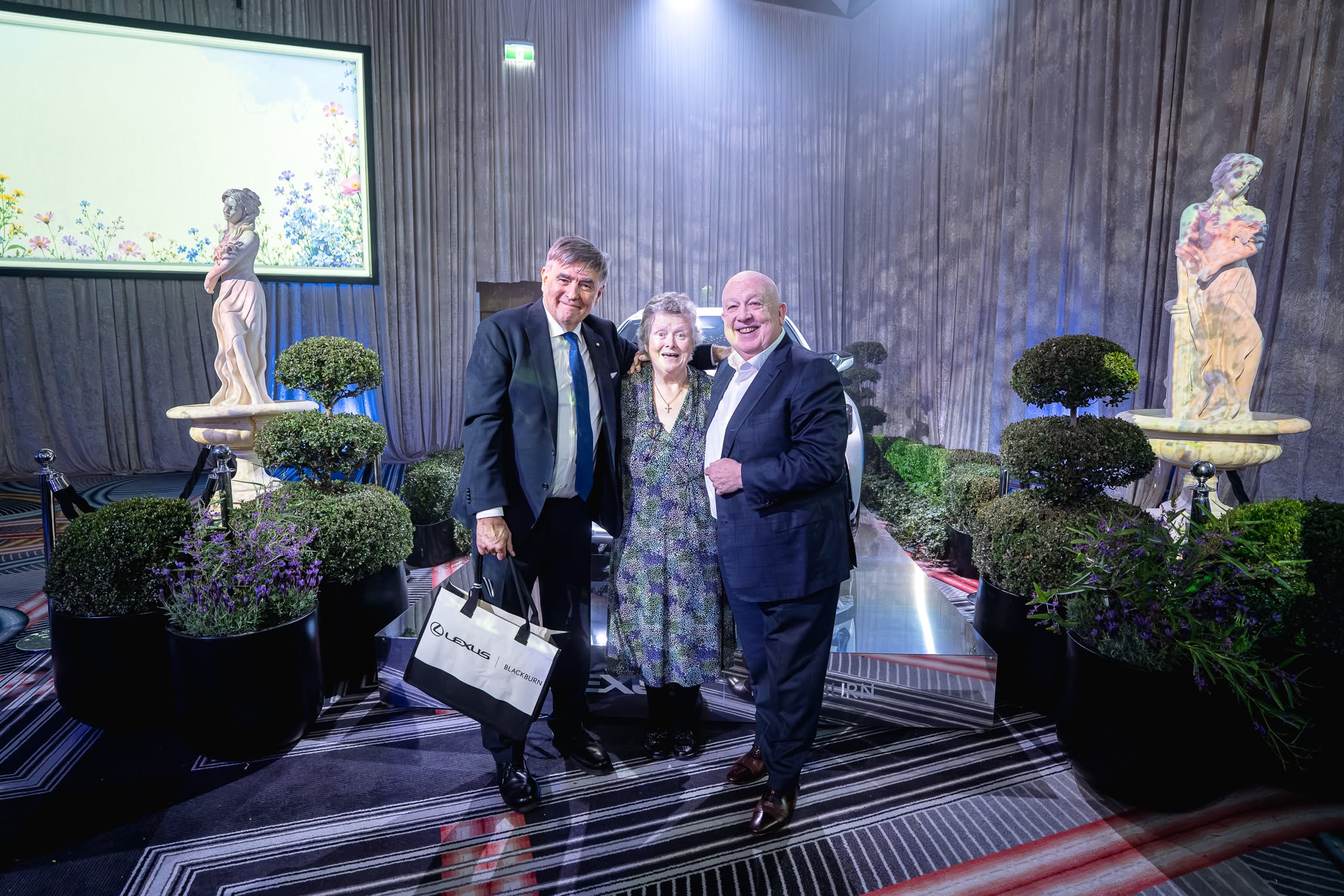
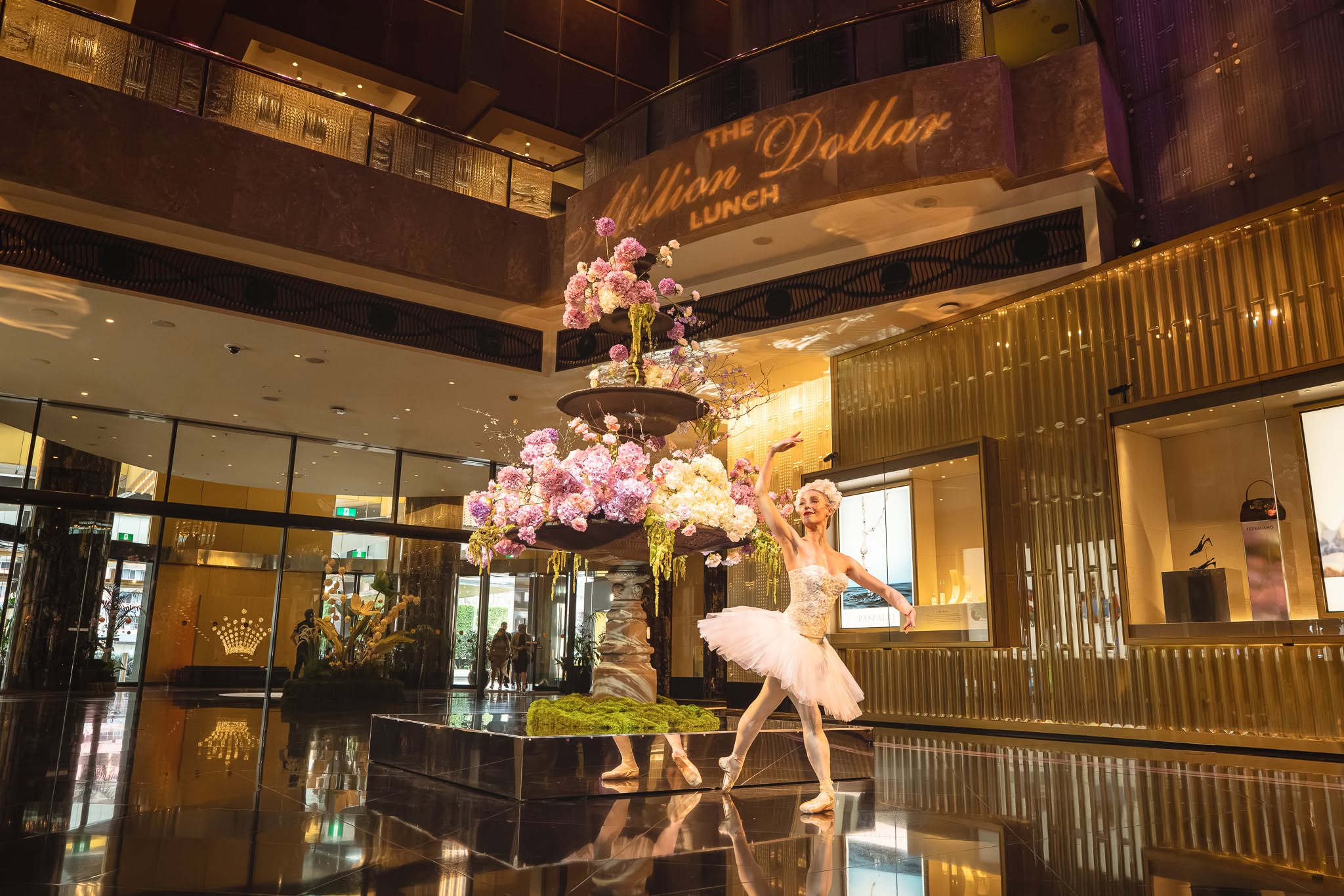
The story began before guests reached Palladium. A 3m antique fountain filled with florals introduced the garden setting on arrival. Pink lighting, living statues and a floral birdcage continued the visual language. Guests then followed a hedge-lined route to Into the Evergreen, where topiary, a book-inspired LED bar and interactive moments took the story further.

Inside Palladium, the content was not an add-on. It helped shape the experience from the start.

The screens transformed the room from a blank canvas into a European garden, then moved through daylight, sunset, dusk and night as the lunch unfolded. The suspended LED became the sky above the audience, extending the landscape beyond the walls.

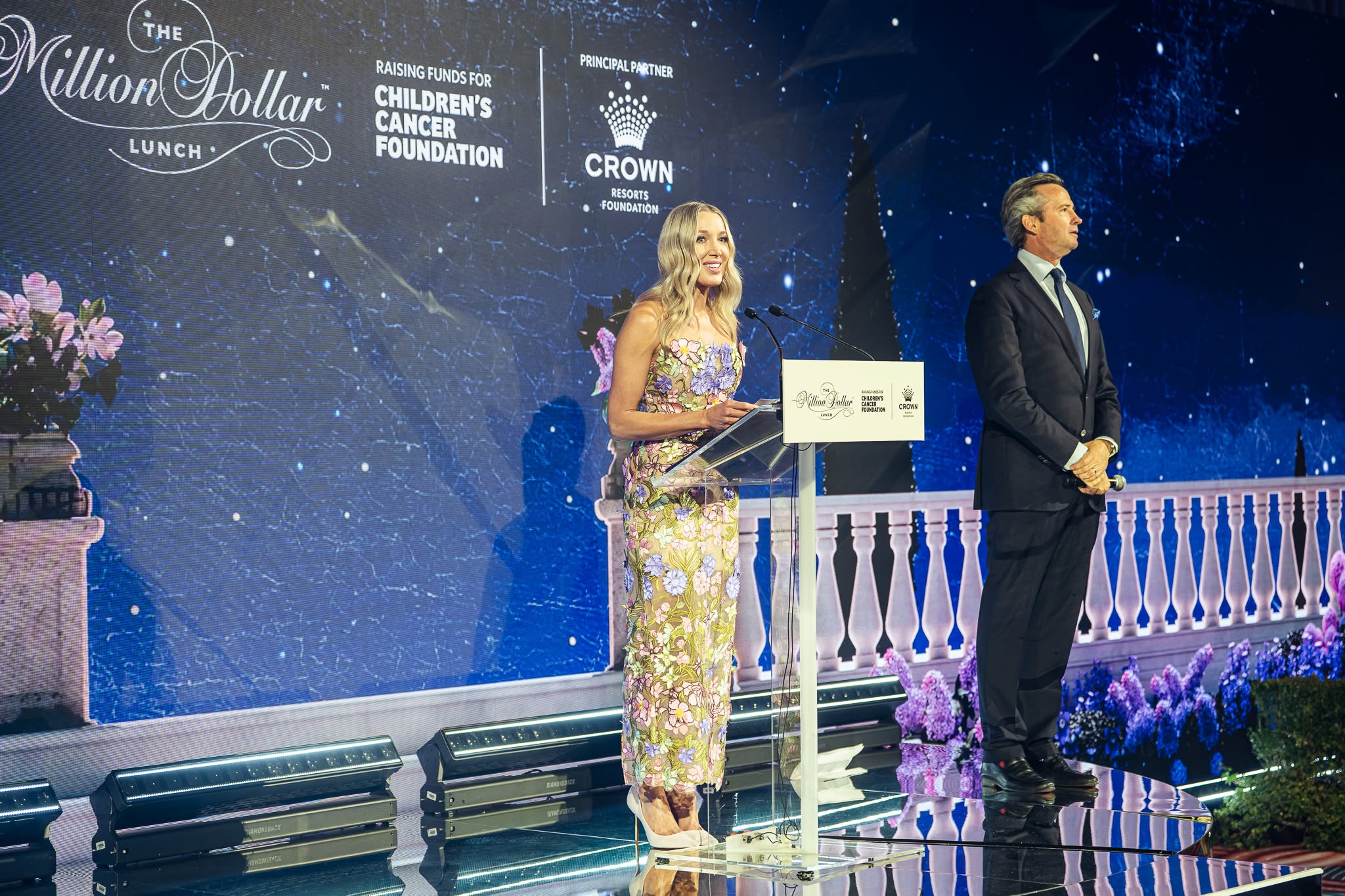
The environment also moved with the program. Michael Paynter’s performance accompanied sunset, filling the landscape with orange, red, yellow and gold. Amy Shark’s performance shifted the room into softer pinks, purples and lavenders. Later, the Holloway diamond draw became the cue for nightfall, allowing the room to sparkle around the presentation.

The content was not there to fill the screens. It was helping move the story forward.
One vision. Different creative minds.


Encore’s specialist Design Studio Labs brought different skills to the same creative idea.

Experience Lab shaped how guests would encounter the story and move through it. Render Lab helped the team see and refine the world before it existed. Media Lab brought it to life through custom content that changed around guests as the lunch unfolded.

The same creative direction gave partners and suppliers room to contribute their expertise without pulling the experience in different directions.

There is a useful lesson here for event planners: More doesn’t make an experience more immersive.

Immersion comes from connection. Every space, detail and moment should feel part of the same story.

When guests entered Palladium, phones came out and people explored. They discovered different points of interest rather than focusing on one hero feature. The physical and digital design felt part of the same world. Content moved with the performances. Every element had a reason to be there.

So before deciding what to put in the room, ask a different question: what’s the idea that will hold the whole experience together?

The best experiences are not defined by one big moment. They are the ones where everything feels like it belongs.