Which option is cheaper?
Insights shared consistently by customers tell a different story. In complex live and hybrid events, cost and value are not the same thing.
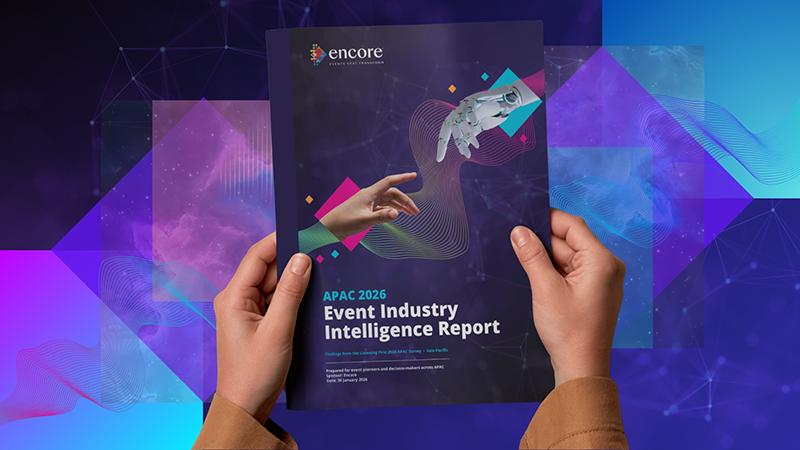
The APAC 2026 Event Industry Intelligence Report highlights this tension clearly: planners are being asked to deliver greater impact, higher experience quality and stronger outcomes, often without proportional increases in budget.
The gap between the two becomes most visible when delivery involves multiple moving parts, multiple suppliers and multiple points of risk.
Everything looked fine until it all had to come together
On paper, individual supplier quotes can look easy to compare. AV is one line item. Content is another. Scenic, staging, creative, show calling and on‑site delivery may sit elsewhere.
Yet planners regularly describe the same challenge: it is not the individual components that determine success, it is how well everything comes together.
In 2026, 41.2% of planners report they are actively consolidating events to manage cost pressure, pointing to a growing desire to reduce fragmentation rather than ambition.
As one planner shared:
“It wasn’t any one supplier that caused the stress. It was trying to make them all work together.”
In event delivery, value rarely lives in isolated services. It lives in integration, coordination and accountability.
Events are systems, not supplier lists
Modern events are interconnected systems involving technology, content, creative, logistics, timing, people and live decision making.
The research reinforces that experience quality now matters more than scale, with planners prioritising attendee experience and content production even as budgets tighten.
When these elements are delivered by multiple suppliers, planners often become the point of integration by default.
Customers consistently say they value partners who can take responsibility for the whole experience.
Value often comes from what planners no longer have to do
Planners consistently say this approach delivers real cost efficiencies. Fewer duplicated efforts. Fewer last‑minute fixes. Less time spent managing issues.
Budget optimisation emerged as the single highest priority for planners in 2026, reinforcing the need for delivery models that reduce hidden effort and planning load.
In practice, value often comes from what planners no longer have to do.
Reliability is about people, process and ownership
Reliability is often mistaken for good equipment or strong individual suppliers.
Across regions, industries and experience levels, planners consistently rate reliability under pressure, fast response times and proactive problem‑solving as their top expectations of event partners.
When one partner owns end‑to‑end delivery, issues are resolved without cross‑supplier escalation.
Value protects outcomes, not just budgets
Customers consistently say success is no longer measured purely by spend.
While confidence remains high—91.6% of planners say they are optimistic about delivering their 2026 events—this confidence is described as being grounded in experience rather than spare capacity.
From an end‑to‑end delivery perspective, value influences audience engagement, stakeholder confidence and planner credibility.